
BREWING • ROASTING • ORIGINS
Coffee Insights
Brew a better cup at home and get to know the coffees we roast in Southwest Florida.
More from the roaster
SIGNATURE BLENDS
Find a blend you’ll love
Compare Coastal Sunrise, Island Drift, and Midnight Tide by flavor, roast level, and how you brew.
BUYING COFFEE
What to look for on a coffee bag
Learn what a roast date and origin label can tell you when you’re choosing your next bag.
BREWING GUIDE
How to choose the right grind size
Start with a grind that suits your brewer. Taste the cup, then adjust one step at a time.
French press
Start coarse.
Drip coffee
Start medium.
Pour-over
Try medium-fine.
Espresso
Start fine.
Sour or thin? Try a little finer. Bitter or drying? Try a little coarser. Keep your dose and water the same so you can taste what changed.
Explore roast freshness, tasting as coffee cools, and specialty coffee below.
A closer look at your cup
Why fresh-roasted coffee tastes different
Roasting creates the aromas you notice when you open a bag and grind the beans. Over time, some of those aromas fade, and exposure to oxygen can change the flavor. Fresher beans can make it easier to pick out the notes you bought the coffee for, whether that’s the citrus in a light roast or the cocoa in a darker one.
Freshness also includes a little rest. Roasted beans release carbon dioxide, a process called degassing. The rate varies with the coffee and how it was roasted. Use the roast date as a starting point, and see when that coffee tastes best with your brewing method.
Try it at home. Look for the roast date, keep the bag sealed between brews, and grind only what you need. Brew the same coffee again a few days later with the same recipe and compare the aroma and finish.
Further reading from the Specialty Coffee Association’s freshness guide.
Let your coffee cool, then taste it again
Temperature changes how you perceive coffee. A cup can seem roasty and full on the first sip, then reveal fruit, sweetness, or a different finish as it cools. Which notes stand out depends on the coffee and your palate.
Try the two-sip test. Take the first sip once the coffee is comfortable to drink. Set it down for a few minutes, then take a second sip from the same cup. Notice what changed in the aroma, sweetness, and aftertaste. Try it black if you usually add milk or sugar, then finish it however you like.
Costa Rica Tarrazú is a good one to try this with. See whether the fruit or the spice is easier for you to pick out on the second sip.
Further reading from the study on temperature and coffee flavor.
What does specialty coffee mean?
You’ll often hear 80 points out of 100 mentioned in conversations about specialty grade. That’s a familiar benchmark from traditional scoring. The Specialty Coffee Association’s current approach looks at a wider set of details, including the condition of the green beans, the cup’s aroma and flavor, how tasters assess its quality, and information about where and how it was produced.
On a bag, that might look like a named growing region, a processing method, and tasting notes that tell you what to expect. For example, Tarrazú tells you where the coffee is from, washed describes how it was processed, and bright fruit gives you something to look for when you brew it.
Try it at home. Compare two coffees with the same brewing recipe. Pay attention to what makes each one distinctive and which you’d reach for again.
Further reading from the Specialty Coffee Association’s definition of specialty coffee.

ORIGIN SERIES
Meet Costa Rica Tarrazú
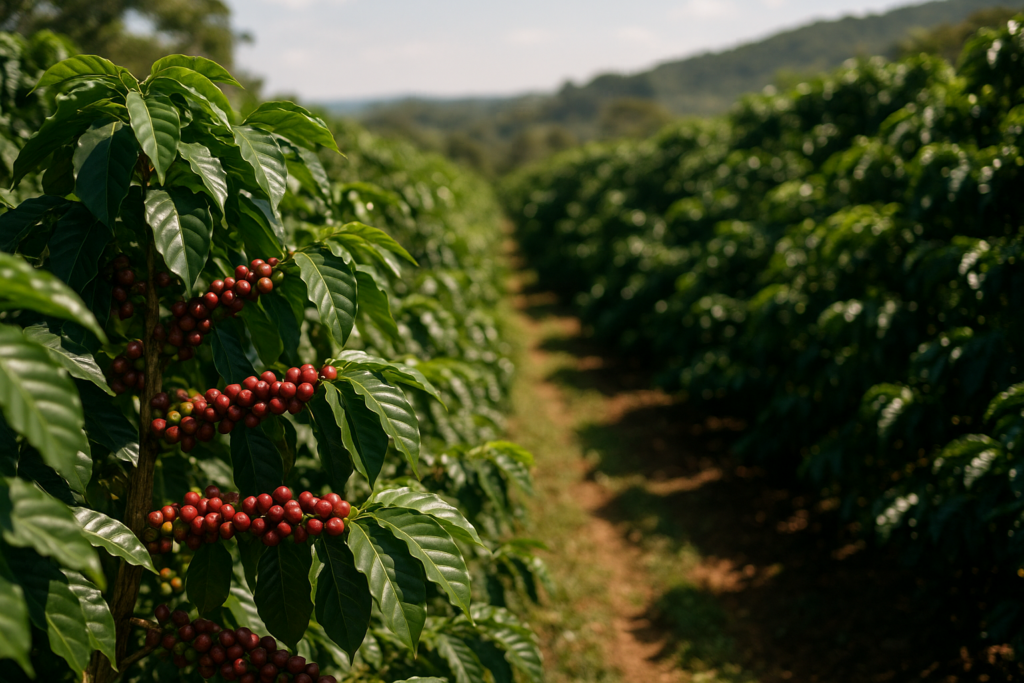
This medium roast comes from the hills of Tarrazú. The coffee was processed using hot spring water. Look for bright fruit, a hint of spice, and a smooth body.
COASTAL GRIND NEWSLETTER
Catch up on the first issue
Meet our signature blends, get to know Guatemala Antigua, and pick up a tip for grinding at home.